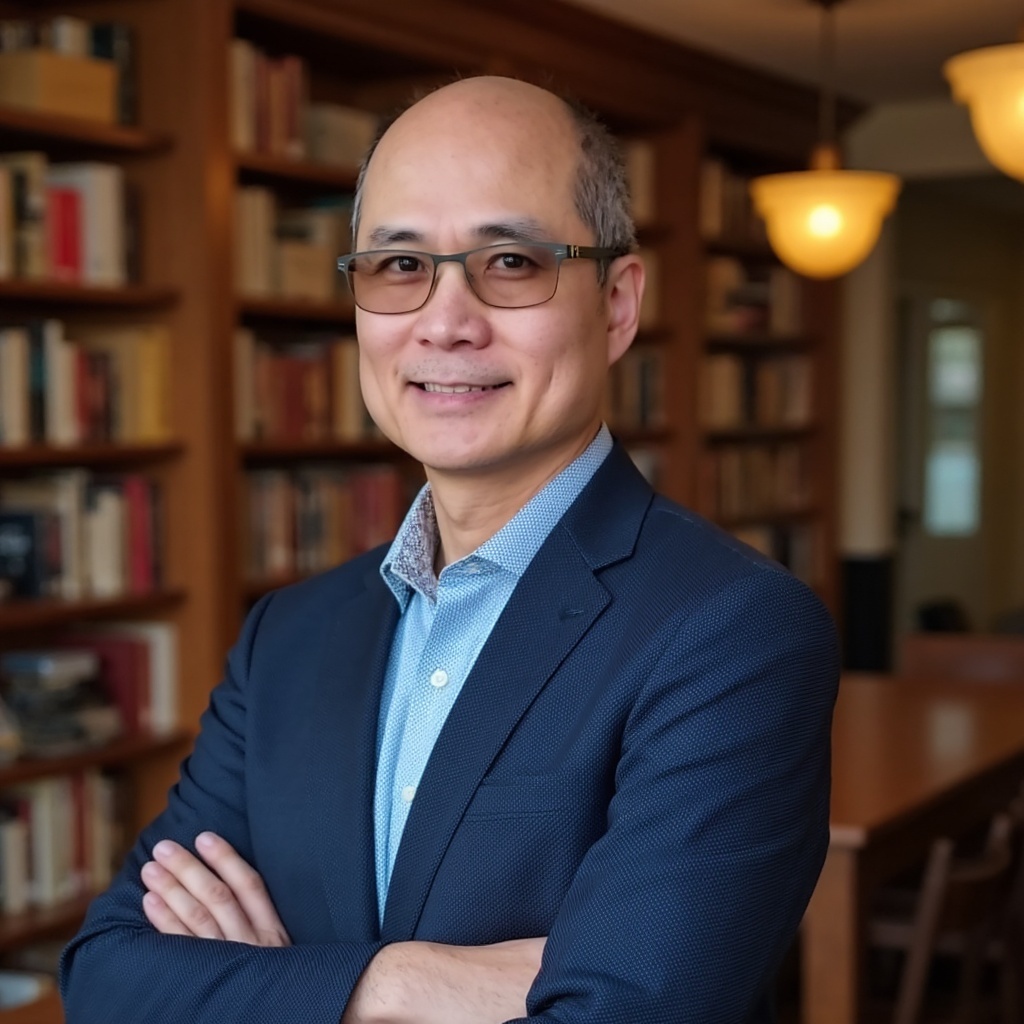
Charles Park, PhD
Assistant Professor, Arizona State University
Date: Friday, Aug. 28
Time: 1:30–2:20 p.m.
Location: SCOB 228
Faculty host: Carlos Mendez-Arias
Abstract
Technological advances now enable biological systems to be characterized with unprecedented depth and scale, accelerating the development of transformative biotechnologies for human health. Immunoengineering has advanced remarkably in recent years, producing therapies with groundbreaking clinical impact. Realizing the full potential of these therapies, however, requires precise control over where and how therapeutic agents are delivered to maximize efficacy while minimizing toxicity. Cells offer unique advantages as therapeutic platforms, combining their microscale physical dimensions with innate biological functions such as circulation, tissue trafficking and communication with their surroundings. These properties make them attractive building blocks for next-generation immunoengineering.
In this seminar, I will present the research directions of my newly established laboratory, focusing on engineering two distinct cell types for precision therapeutics:
First, I will discuss red blood cell, or RBC, hitchhiking for targeted drug delivery, where therapeutics are loaded onto RBC surfaces using metal-phenolic networks. As RBCs experience high shear stress while passing through capillary beds, they enable tissue-selective cargo release in organs such as the lungs and brain, providing a strategy for targeted treatment of pulmonary and neurological diseases.
Second, I will introduce engineered myeloid cell therapies for cancer. Unlike passive delivery systems, myeloid cells actively migrate in response to chemokines and other biological cues, allowing them to penetrate challenging tumor microenvironments that are inaccessible to conventional therapeutics. By exploiting these natural trafficking behaviors, engineered myeloid cells can deliver therapeutics while inducing context-dependent immune modulation within the tumor.
Together, these approaches illustrate how engineering cellular functions can establish new therapeutic modalities for precision immunotherapy and expand treatment options for diseases that remain difficult to address using existing technologies.
Biosketch
Park is an assistant professor in the School of Biological and Health Systems Engineering, or SBHSE, at Arizona State University, where his laboratory develops engineered cell-based technologies to precisely modulate immune responses.
He received his bachelor’s and master’s degrees in chemical and biomolecular engineering from Sogang University in South Korea and his PhD in biomedical engineering from the University of Michigan, Ann Arbor. During his doctoral training, he developed biomaterials-based nanoparticle systems for treating immune-related diseases, including cancer and infectious diseases. As a postdoctoral fellow in the Harvard School of Engineering and Applied Sciences, or SEAS, he expanded his expertise to cell-based engineering approaches, developing macrophage-based cellular therapeutics and red blood cell hitchhiking strategies for organ-specific drug delivery. His research integrates biomaterials, cellular engineering and immunology, with extensive experience translating engineered therapeutic platforms into preclinical animal models.
Building on recent advances in omics and spatial biology, Park’s laboratory seeks to uncover new principles of cellular engineering that enable precision immune modulation and next generation therapies for cancer and immune-mediated diseases.